Housing in stable, thriving communities is often out of reach for those with modest incomes.
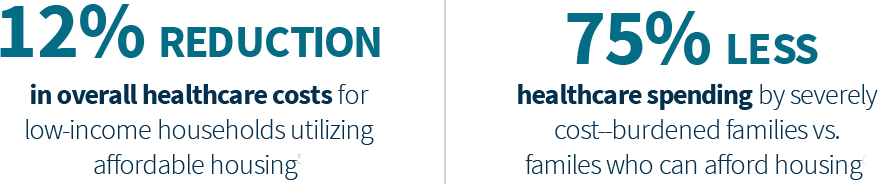
In underserved communities, affordable housing and health outcomes of residents are inextricably linked. When families live in stable homes in sustainable communities, they have greater opportunities to prosper in all aspects of life and are more resilient to life’s shocks and stressors.
Fannie Mae’s Sustainable Communities Initiative challenges public, private, and nonprofit sector organizations to address persistent challenges related to health, education, and economic mobility.
Housing and health outcomes are inextricably linked, yet they’re nearly always addressed separately. What if we reimagined affordable housing as the prescription for a healthy life?
Educational opportunity increases quality of life for entire communities. What if we reimagined affordable housing as the foundation for educational attainment and upward mobility?
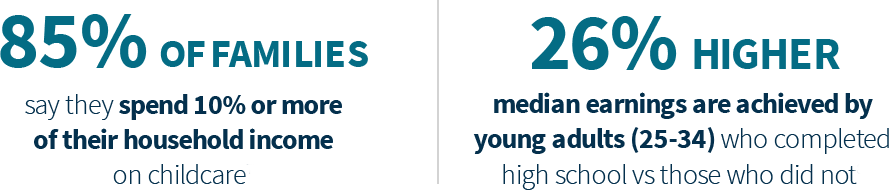
People need affordable homes and quality jobs—and these things must be easily accessible. What if we reimagined affordable housing as a basis for economic opportunity, mobility, and wealth creation?
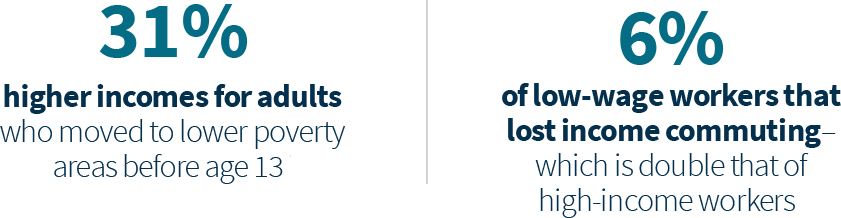
The Innovation Challenge, a two-year, $10 million commitment to source new ideas through entering into contracts for services by reaching outside of Fannie Mae and its traditional partners, aimed to support and accelerate the development of promising solutions that serve communities in different ways. Uncovering and exploring new ways to address our nation’s housing needs, starting with affordable homes in underserved communities, is a major step towards a healthier future.
The program sought out projects at various stages of maturity, including research & development, start-ups, and solutions ready to scale.
Before final selection, workshop days helped select organizations sharpen ideas and practice pitching to teams at Fannie Mae and socially minded investors. Once selected, awardees received expert mentorship, frequent check-ins, and virtual learning sessions to support implementation and ongoing project management. Technical assistance also increased awardees’ capacity to scale their projects.
The Challenge drew hundreds of promising submissions from a variety of industries—but innovation, collaboration, and compassion were the driving principles of this initiative.
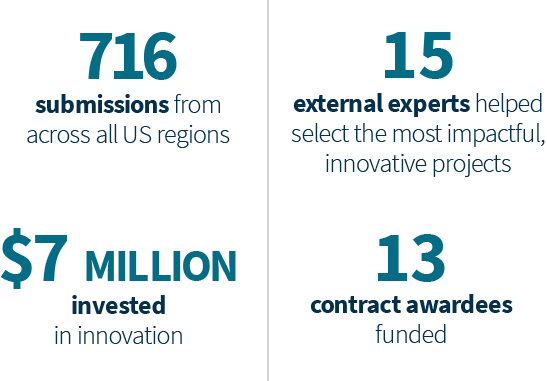
Sustainable communities have the power to improve quality of life for all who inhabit them. Fannie Mae’s Sustainable Communities Innovation Challenge connected a wide range of thinkers and practitioners to not only make housing affordable but to offer integrated access to economic mobility, improved healthcare, educational opportunity, and more.
Fannie Mae announced contract awardees for the challenge:
Developing Valuable Skills in Green Construction and Geospatial Technology [Guildford County Schools]
Increasing Housing Supply Through an Integrated Education Program [Build UP]
Exploring Ways to Stabilize Housing for Homeless Students [UPD Consulting]
Expanding Affordable Housing and Early Childhood Education [Guadalupe Neighborhood Development Corp.]
Expanding Access to Financial Literacy Training to Facilitate Resilient Homeownership [Community Development Corporation of Brownsville]