
Equitable Access Toolkit for the U.S. Department of Labor
The Challenge
When the COVID-19 pandemic began in March 2020, it had an immediate and catastrophic effect on unemployment worldwide. In the United States, state unemployment agencies found themselves swamped by calls, claims, and fraud cases. Unemployment claims hit their peak of 6.9 million in March 2020.
It became rapidly clear that the systems that supported UI agencies needed significant upgrades in order to meet the needs of the people.
The Task
Throughline worked in partnership with Guidehouse on a project to improve the UI benefits program for the U.S. Department of Labor, from an equity and accessibility lens.
Funded by the America Rescue Plan Act, the effort was intended to help states review and analyze current processes; develop a scope of work and proactive equitable access strategy; enhance standard operating procedures; align priorities and goals; and enact new initiatives to expand access.
Our Approach
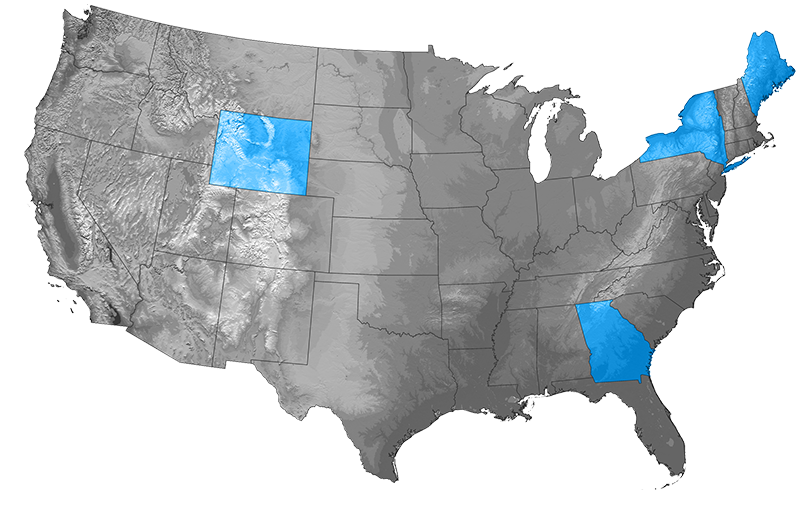
By splitting up into multi-disciplinary Tiger Teams, the partnership was able to delve into the unique needs and challenges of each state. My team focused our efforts on Wyoming, Georgia, New York, and Maine. By interviewing local state leaders, government employees, and local community-based organizations, we were better able to tailor our business case recommendations to the needs of each community.
What We Learned
Equity Safeguards
Fraud prevention and detection activities that make it more difficult for fraudsters to access benefits can also make it more difficult for eligible claimants.
Plain Language
Simplifying communications with plain language could improve participation and recipiency rates, helping the audience find what they need, understand what they find, and use what they find to meet their needs. It reduces friction.
Translation Services
States must have compliant language assistance services for both written and oral materials.
Accessibility
Accessibility requires ensuring anyone, including those with barriers to technology, are able to access digital tools so that it does not affect their ability to access UI.
Digital User Experience
UI agencies should aim to build websites and apps that are user friendly so that it is easy to find information and complete tasks.
The Toolkit
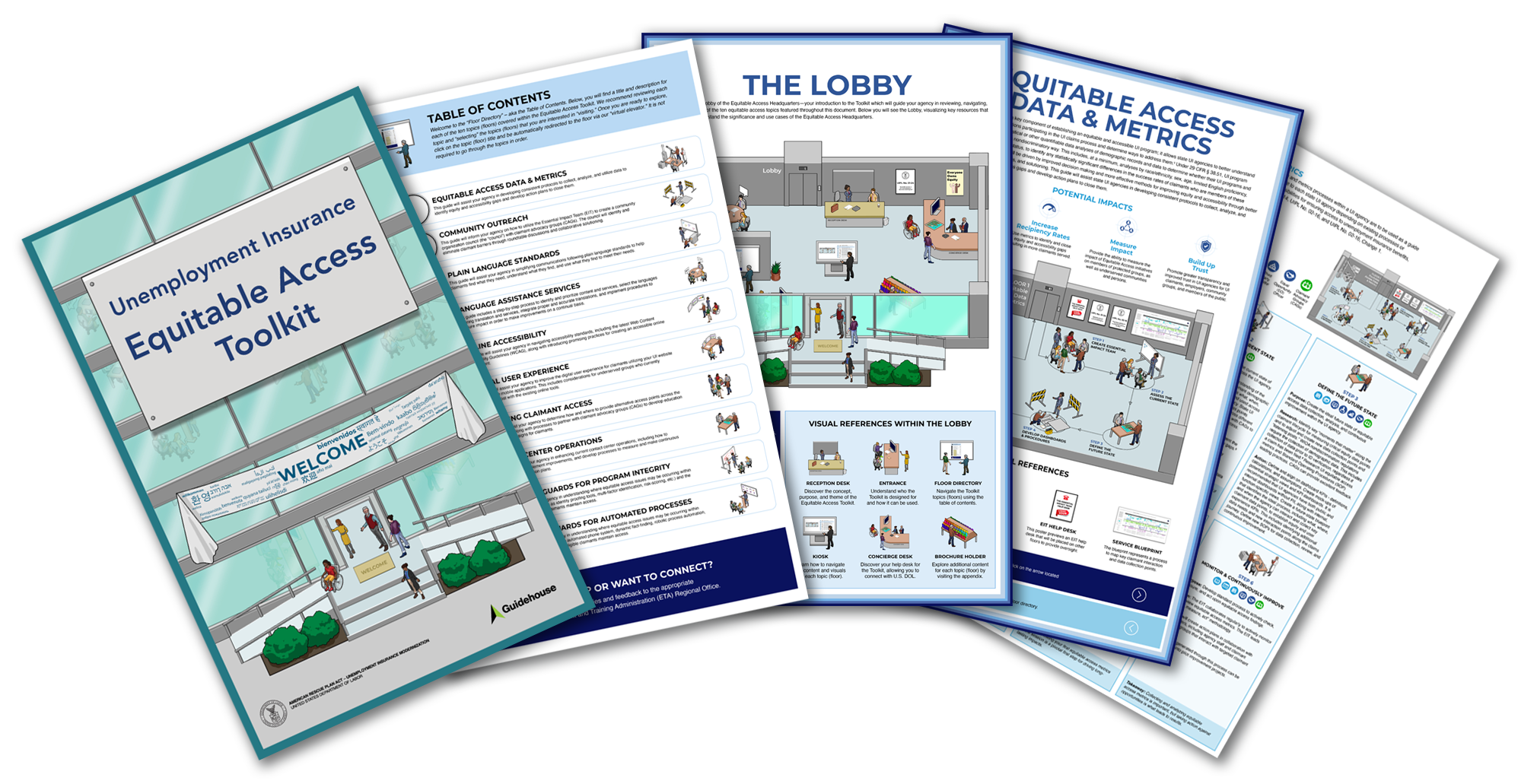
The Toolkit concept reimagined the delivery of equitable access concepts to state UI agencies, by utilizing the power of visualization. The project leveraged a visual approach to educate state UI agencies utilizing an office building metaphor, with each topic representing a floor within the building and a “virtual elevator” to guide you across the content.
Impacts
Remove Claimant Barriers
Understand how automated processes may inadvertently create barriers to equitable access along the claimant journey. Identify underserved communities and disparities impacting equitable access across the UI claims process.
Improved Accuracy
With simplified communications, claimants and members of the public will better understand what is expected of them and how to navigate the process.
Increase Recipiency Rates
If claimants can better understand the process, they will be less intimidated, more likely to apply, and less likely to get stuck or abandon.
Improve Customer Experience
If claimants better understand the instructions and UI claims process, they will have a more seamless and intuitive experience.
Build Up Trust
Promote greater transparency and improved trust in UI agencies for UI claimants, employers, community groups, and members of the public.
Bonus: Toolkit Development
In addition to research and design strategy work, I illustrated the toolkit.
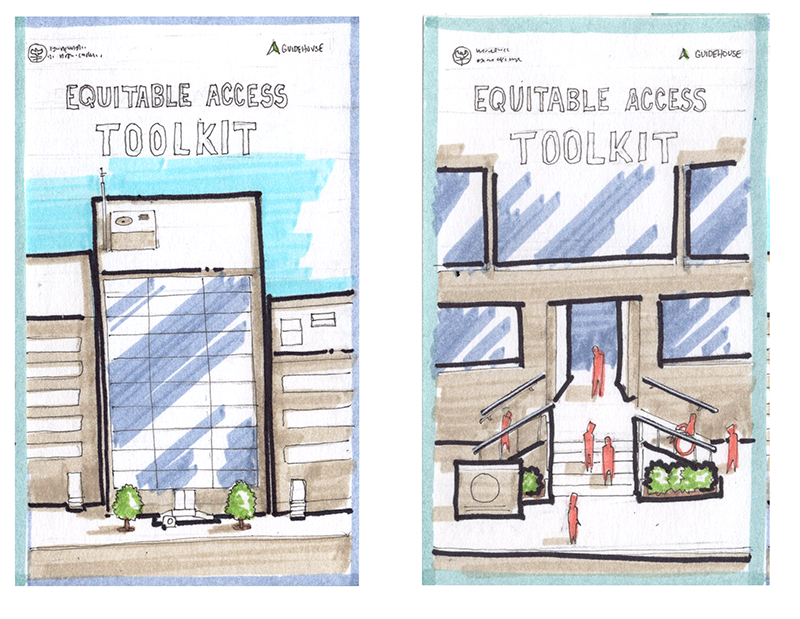
Early sketches of the Toolkit’s illustrations.
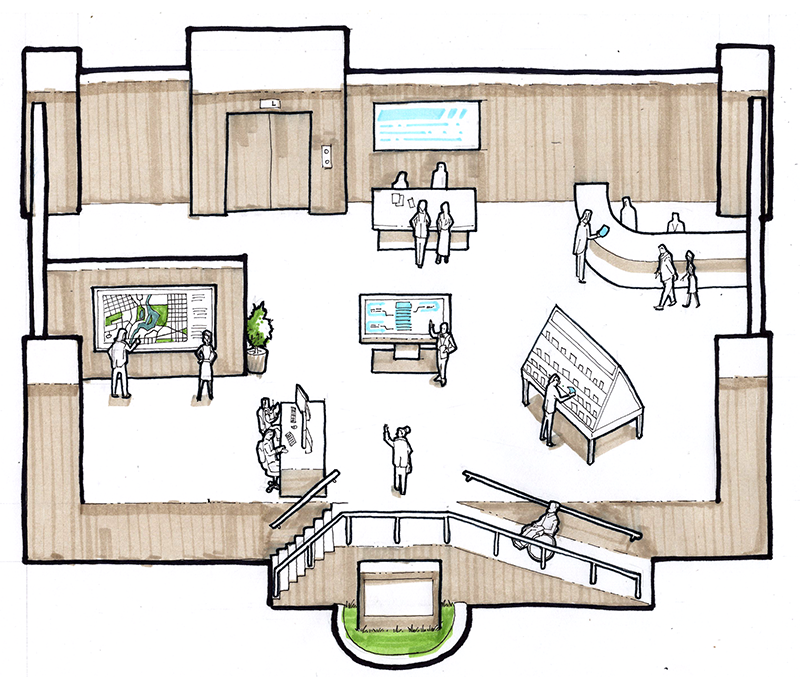
Conceptualizing the “lobby” scene for the Toolkit.